5 Essential Stretching Techniques to Enhance Your Soccer Game
Enhancing your soccer game requires not only skill and endurance but also flexibility, which can significantly improve your performance on the field. Here are 5 essential stretching techniques that every soccer player should incorporate into their training routine:
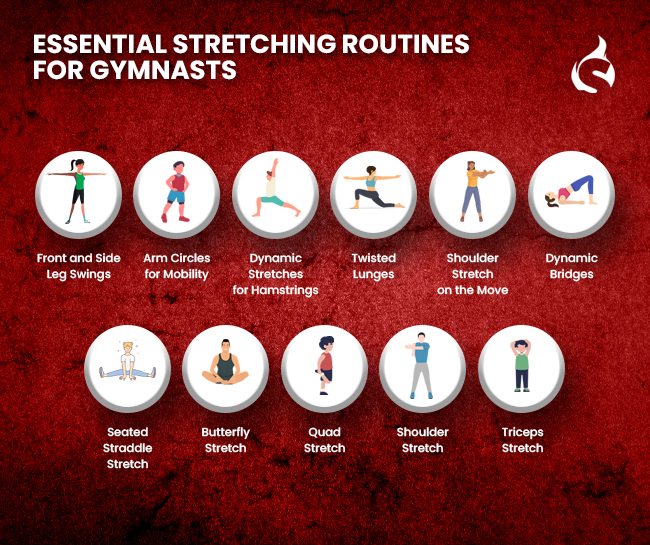
- Dynamic Warm-Up: Start your practice with dynamic stretches such as high knees, butt kicks, and leg swings to increase blood flow and prepare your muscles. This prepares your body for the physical demands of the game.
- Quadriceps Stretch: Stand on one leg, pulling your other foot toward your glutes to stretch the quadriceps. This is crucial for kicking power and sprinting speed.
After the game, it's equally important to cool down properly. Techniques like the hamstring stretch and hip flexor stretch can alleviate muscle tightness and promote recovery. Consider incorporating the following stretches:
- Hamstring Stretch: Sit on the ground with one leg extended and the other bent, reaching toward your toes to stretch your hamstrings.
- Hip Flexor Stretch: Kneel on one knee with the other foot in front, pushing your hips forward to stretch the hip flexors, which are vital for running and agility.
The Science Behind Stretching: How to Prevent Injuries Like a Pro
The science behind stretching is an essential aspect of injury prevention in athletes and fitness enthusiasts alike. Stretching increases flexibility, enhancing the range of motion in joints, which is crucial for optimal performance. According to the National Institutes of Health, regular stretching can help reduce muscle stiffness and improve overall athletic performance. Incorporating dynamic stretches in your warm-up routine stimulates blood flow to your muscles and prepares them for the physical demands ahead. Conversely, static stretching, if performed pre-exercise, might not provide the same benefits and can lead to muscle strain if not done properly.
In addition to improving flexibility, understanding the science behind stretching can also help you develop a tailored injury prevention strategy. Techniques such as dynamic stretching (involving movement) and static stretching (holding a stretch) each play unique roles in physical preparedness. Research published by the Journal of Orthopaedic & Sports Physical Therapy indicates that a combination of these methods may be most effective. By allocating time for both forms of stretching in your training regimen, you can not only enhance performance but also significantly lower your risk of injuries such as strains or sprains.
Bend It Like Beckham: What Every Aspiring Soccer Player Needs to Know About Flexibility
Bend It Like Beckham isn’t just a catchy phrase; it embodies the skill and precision required to excel in soccer. Flexibility plays a crucial role in enhancing an aspiring soccer player's performance, allowing for greater agility and control on the field. Stretching and flexibility exercises can improve range of motion, reduce the risk of injuries, and help players execute the iconic moves that can change the course of a game. Research shows that regular flexibility training can significantly benefit athletes, making it an essential component of a soccer training regimen. For more information on the benefits of flexibility in sports, check out this study by the National Library of Medicine.
To cultivate flexibility, aspiring soccer players should focus on a mix of dynamic and static stretches. Dynamic stretches, performed as a warm-up, help to increase blood flow and prepare the muscles for activity. Some effective dynamic stretches include leg swings, walking lunges, and high knees. Post-training, static stretches like hamstring stretches, quadriceps stretches, and calf stretches can help relieve tension and aid recovery. Incorporating these flexible practices regularly not only enhances performance but also fosters longevity in a player’s career. For a comprehensive stretching routine tailored for athletes, visit this Verywell Fit article.