The Science Behind Eco-Friendly Insulation: How to Stay Warm Without Guilt
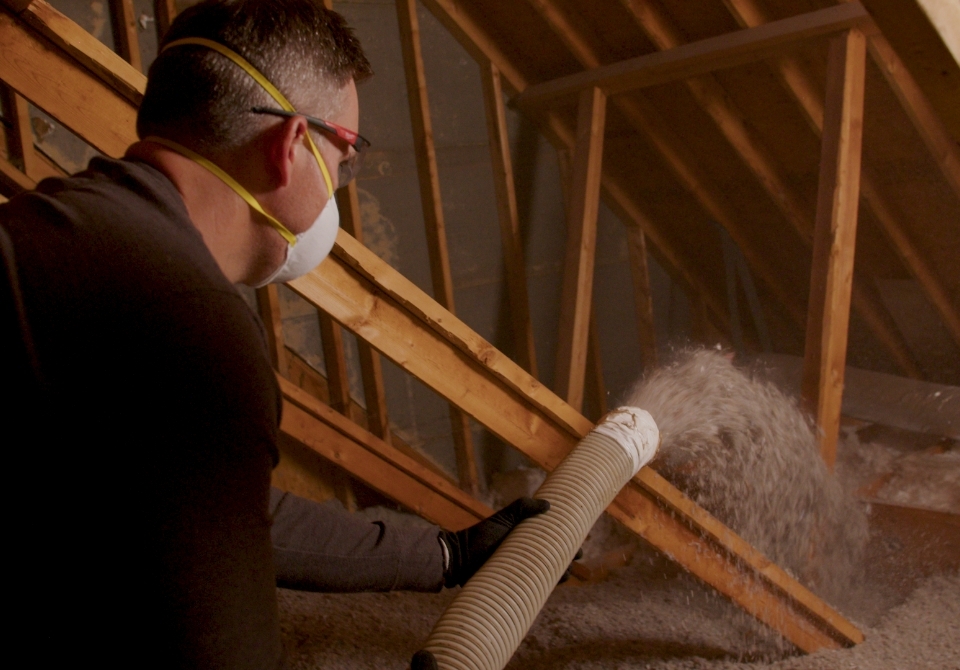
In recent years, eco-friendly insulation has emerged as a popular choice for homeowners looking to improve their energy efficiency while minimizing their environmental impact. Traditional insulation materials, such as fiberglass and foam, can contain harmful chemicals and contribute to indoor air pollution. In contrast, eco-friendly insulation options, like cellulose and sheep's wool, are made from natural, renewable resources. These materials not only provide excellent thermal performance but also help in reducing greenhouse gas emissions. For more information on the benefits of eco-friendly insulation, check out this resource.
Furthermore, the science behind eco-friendly insulation lies in its thermal resistance, which is measured by the R-value. A higher R-value indicates better insulation performance, enabling homes to retain heat more efficiently. Natural materials used in eco-friendly insulation, such as straw bales or recycled denim, have been shown to outperform some conventional options in various climate conditions. This makes them ideal for homeowners who wish to stay warm without guilt and contribute to a sustainable future. Learn more about the R-values of different insulation types by visiting Energy.gov.
Top 5 Sustainable Insulation Materials You Need to Know About
As the demand for eco-friendly building materials increases, sustainable insulation has taken center stage in the construction and renovation industries. Choosing the right insulation materials not only helps reduce energy consumption but also minimizes environmental impact. Here are the Top 5 Sustainable Insulation Materials you need to know about:
- Cellulose Insulation: Made from recycled paper products, cellulose insulation is a highly effective and sustainable option. It's treated with fire retardants and can significantly reduce heating and cooling costs. For more information, check out Energy.gov.
- Sheep's Wool: A natural insulator, sheep's wool is not only renewable but also moisture-regulating. It naturally absorbs and releases moisture, helping to maintain a comfortable indoor environment. Learn more at BuildingGreen.
- Hemp Insulation: This plant-based material is biodegradable and highly effective in regulating indoor temperatures. Hemp insulation is not only sustainable but also has excellent soundproofing qualities. For details, visit GreenBuildingTalk.
- Recycled Denim Insulation: Utilizing scrap denim from clothing production, recycled denim insulation is another sustainable alternative. This innovative product helps divert waste from landfills while providing exceptional thermal performance. To find out more, refer to Inhabitat.
- Cork Insulation: Harvested from the bark of cork oak trees, cork is a renewable resource that provides effective insulation and sound absorption. It's also water-resistant and resistant to mold and pests. For more on cork insulation, see Green Home Society.
Is Your Home Truly Energy Efficient? Key Factors to Consider
Assessing whether your home is truly energy efficient involves examining several key factors. First, consider your home's insulation, which plays a crucial role in maintaining a stable internal temperature. Poor insulation allows heat to escape in winter and enter in summer, leading to increased energy consumption. Additionally, evaluate your heating and cooling systems. Upgrading to energy-efficient appliances can substantially reduce your energy bills and carbon footprint.
Another important aspect is the use of renewable energy sources. Installing solar panels or utilizing wind energy can contribute significantly to your home's energy efficiency. Additionally, pay attention to Energy Star ratings when purchasing new appliances, as these ratings indicate superior energy performance. Finally, consider performing an energy audit to identify specific areas for improvement, making your home not only more efficient but also more comfortable.