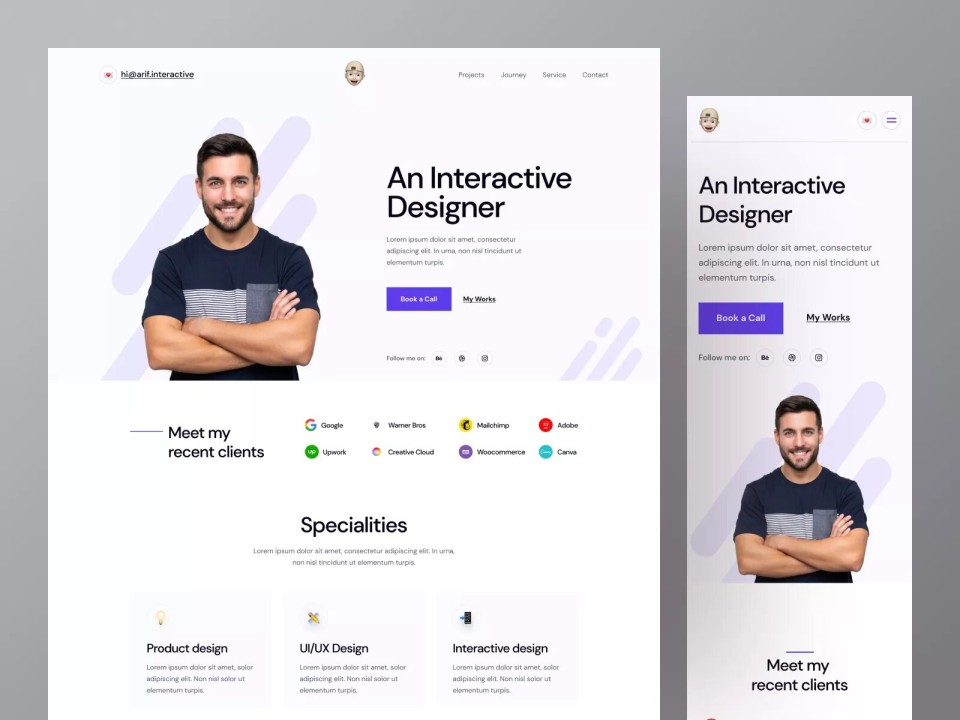
Top 10 Essential Features for an Impressive Portfolio Website
Creating an impressive portfolio website is essential for showcasing your work and attracting potential clients or employers. Here are the Top 10 Essential Features that every portfolio website should have to make a lasting impression:
- Clean and Professional Design: Ensure your layout is visually appealing and easy to navigate.
- High-Quality Images: Use crisp, high-resolution images that highlight the best of your work.
- About Me Section: This is your chance to tell your story and connect with visitors on a personal level.
- Responsive Design: Your portfolio should look great on all devices, from desktops to smartphones.
- Contact Information: Make it easy for visitors to get in touch with you.
As you dive deeper into building your portfolio, consider these additional features:
- Case Studies: Showcase your process and results through detailed case studies for each project.
- Testimonials: Include quotes from satisfied clients to build trust and credibility.
- Blog Section: A blog can demonstrate your expertise and keep your site fresh with regular updates.
- Social Media Links: Connect your portfolio with your social media for greater visibility.
- Analytics Tracking: Monitor your website traffic to understand visitor behavior and improve performance.
How to Choose the Right Template for Your Portfolio Without the Stress
Choosing the right template for your portfolio can be a daunting task, especially with the myriad of options available online. To alleviate this stress, start by identifying your personal style and the message you want to convey. Consider what categories of work you will display and how you want them organized. This will help you narrow down your choices and focus on templates that align with your vision. Additionally, seek templates that are responsive and user-friendly, ensuring your portfolio looks great on all devices.
Once you have a list of potential templates, evaluate their features carefully. Look for customizable options that allow you to adjust colors, fonts, and layouts to match your brand. Draft a checklist of essential elements, such as a gallery section, an 'About Me' page, and a contact form, and make sure your chosen template includes these. By breaking down the selection process into manageable steps, you can choose the right template for your portfolio without the added pressure of uncertainty.
What Makes a Portfolio Website Stand Out: Key Elements to Consider
Creating a successful portfolio website hinges on several key elements that can elevate its appeal and functionality. First and foremost, a clean and intuitive layout enhances user experience, allowing visitors to navigate easily through your work. Consider incorporating a prominent hero section that succinctly introduces your skills and expertise, paired with high-quality images of your projects. Additionally, utilizing white space effectively can help highlight your work, making it easier for the audience to absorb information without feeling overwhelmed.
Another critical aspect is showcasing your work effectively. Organizing your portfolio into distinct categories or projects can help potential clients and employers find relevant examples of your skills quickly. Incorporating client testimonials or case studies adds further credibility to your portfolio, as it demonstrates real-world applications of your work. Lastly, a well-curated contact section that includes multiple touchpoints—such as email, social media links, and a contact form—ensures that interested parties can easily reach out to you, making your portfolio not just a display of your talent but also a gateway to new opportunities.