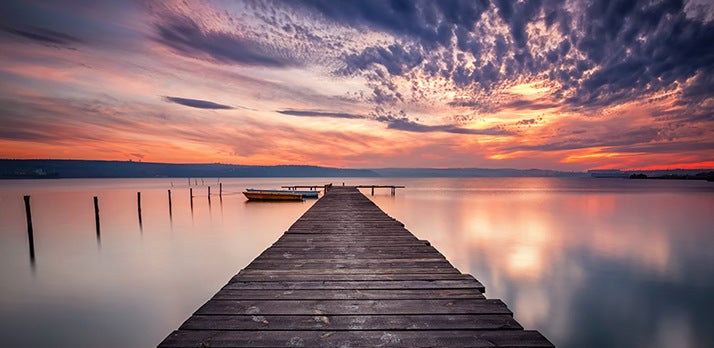
Top 10 Techniques for Capturing Breathtaking Landscape Photography
Capturing breathtaking landscape photography requires not only creativity but also a mastery of various techniques. Here are the Top 10 Techniques for Capturing Breathtaking Landscape Photography that can elevate your skills:
- Golden Hour Shooting: The hours just after sunrise and before sunset provide soft, warm lighting that enhances colors and adds depth to your photos. Consider planning your shoots around these times for stunning results.
- Use a Tripod: To achieve sharper images with longer exposures, using a tripod is essential. It prevents camera shake and allows for stable framing, especially in low-light conditions.
- Composition Techniques: Apply techniques like the Rule of Thirds, leading lines, and framing to create compelling compositions. Research these theories further on Photography Life.
- Depth of Field: Use a smaller aperture (higher f-stop) to ensure a greater depth of field, allowing the foreground, midground, and background to be in focus. This adds dimension and drama to your landscapes.
- Long Exposure: Experiment with long exposure shots to capture movement in elements like water or clouds, creating a dreamy effect. This technique can transform ordinary scenes into mesmerizing visuals.
Continuing the list of our Top 10 Techniques for Capturing Breathtaking Landscape Photography, here are a few more tips:
- Post-Processing: Enhance your images through post-processing software such as Adobe Lightroom or Photoshop. Fine-tuning exposure, contrast, and colors can significantly improve your final output.
- Find Interesting Foregrounds: Incorporating interesting foreground elements can create a strong focal point that draws the viewer into the scene. Look for unique rocks, trees, or flowers to add depth.
- Use Filters: Polarizing and neutral density filters can help control reflections and light exposure, enhancing the vibrancy of your landscapes. To learn more about using filters, visit Digital Photography School.
- Explore Different Perspectives: Experiment with high and low angles to find the most captivating viewpoint for your landscape. Changing your perspective can lead to stunning and unexpected compositions.
- Plan Your Shots: Use apps like PhotoPills or The Photographer's Ephemeris to plan your shoots according to the position of the sun and moon. This preparation can help you capture landscapes at their most dramatic moments.
Understanding Natural Light: A Photographer's Guide to Landscape Moments
Understanding natural light is essential for any photographer, particularly when capturing stunning landscapes. The quality, direction, and color of light can drastically alter the mood and feel of your images. For example, the golden hour, which occurs shortly after sunrise and before sunset, bathes the landscape in a warm glow, creating the perfect conditions for striking photographs. Consider the golden hour as your best friend when planning outdoor shoots. Additionally, don't overlook the influence of weather; overcast days can produce soft, diffuse light that is often flattering for quality landscape shots.
Another crucial aspect of utilizing natural light is understanding the concept of shadows and highlights. The interplay between light and shadow can add depth, dimension, and drama to your landscapes. When composing your shots, pay attention to how light interacts with different elements in the scene. For more techniques on mastering shadows in landscape photography, refer to this comprehensive guide on using shadows effectively. Remember, the key to capturing breathtaking landscape moments lies in your ability to adapt and respond to the ever-changing conditions of natural light.
What Makes a Landscape Photo Stunning? Key Elements to Consider
When it comes to capturing a stunning landscape photo, composition plays a crucial role. A well-composed image directs the viewer's attention to the focal point while maintaining an engaging balance throughout the frame. Techniques such as the rule of thirds can guide you in positioning key elements, thus enhancing the visual appeal. Additionally, consider incorporating leading lines, which guide the viewer's eye through the scene, or framing techniques that use natural elements to create a visual border. By being mindful of these compositional techniques, you can elevate your landscape photography from ordinary to extraordinary.
Another critical factor in creating stunning landscape imagery is lighting. The golden hour, occurring shortly after sunrise and before sunset, offers a warm, soft glow that can transform an ordinary scene into something magical. Pay attention to how light interacts with the landscape to create depth and dimension. Using tools like light meters or photography apps can help you determine the best time for capturing your desired scenes. Combine this with a strong understanding of your camera's settings and you will undoubtedly be able to capture breathtaking landscapes.