The Essential Guide to Protein: How Much Do You Really Need?
Understanding protein and its role in our diet is crucial for maintaining a healthy lifestyle. Protein is one of the three macronutrients essential for the body, alongside carbohydrates and fats. It plays a vital role in building and repairing tissues, producing enzymes and hormones, and supporting overall bodily functions. The ideal amount of protein you need can vary based on several factors including your age, sex, activity level, and specific health goals. On average, the Recommended Dietary Allowance (RDA) suggests that adults should aim for 0.8 grams of protein per kilogram of body weight.
However, certain individuals may require more protein than the RDA. For instance, athletes or those engaging in intense physical activity often benefit from higher protein intake to aid in muscle recovery and growth. A general guideline for active individuals is approximately 1.2 to 2.0 grams of protein per kilogram of body weight, depending on the intensity of their training. Protein sources can range from animal products like meat, fish, and dairy, to plant-based options such as beans, lentils, nuts, and seeds. Incorporating a variety of these sources can help meet your unique dietary needs while ensuring adequate protein consumption.
Top 10 Protein-Packed Foods to Supercharge Your Diet
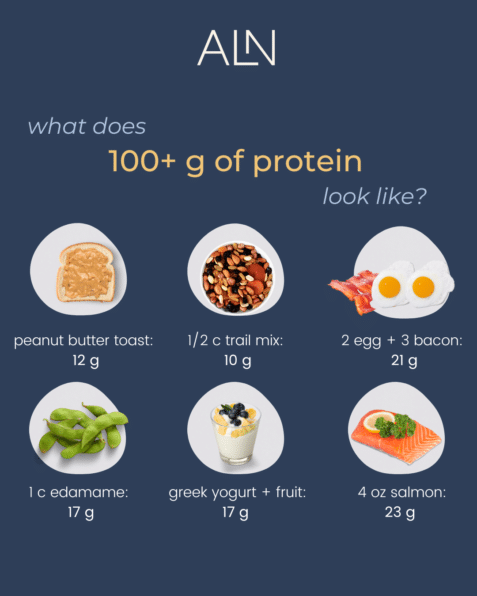
If you're looking to boost your protein intake, incorporating protein-packed foods into your diet is essential. Protein not only aids in muscle repair and growth but also helps keep you feeling full and satisfied. Here are the top 10 protein-packed foods that can supercharge your diet:
- Chicken Breast: Lean and versatile, chicken breast is a staple source of high-quality protein.
- Eggs: Packed with essential amino acids, eggs are a complete protein source and can be enjoyed in various dishes.
- Quinoa: This grain offers a unique combination of protein and fiber, making it perfect for vegetarians.
- Greek Yogurt: Creamy and delicious, Greek yogurt is not only rich in protein but also in probiotics.
- Fish: Fatty fish like salmon are excellent sources of protein and omega-3 fatty acids.
Continuing our list, here are more protein-packed foods to consider:
- Lentils: These legumes are packed with protein and fiber, making them a great plant-based option.
- Tofu: A versatile and nutrient-dense food, tofu is an ideal protein source for those on a vegan diet.
- Nuts and seeds: Almonds, chia seeds, and pumpkin seeds are great for snacking and are rich in protein and healthy fats.
- Turkey: Another lean meat option, turkey is low in fat while being high in protein.
- Cottage Cheese: With a high protein content and low fat, cottage cheese is perfect for a healthy snack or meal component.
Understanding Plant-Based Proteins: Benefits and Best Sources
Understanding plant-based proteins is essential for anyone looking to incorporate more nutritious and sustainable options into their diet. These proteins are derived from various plants, including legumes, nuts, seeds, and whole grains, offering a plethora of health benefits. Incorporating plant-based proteins into your meals can help lower the risk of chronic diseases, improve digestive health, and support weight management. Additionally, they are often lower in saturated fat and cholesterol compared to animal-based proteins, making them a heart-healthy alternative.
When considering the best sources of plant-based proteins, it's important to explore a variety of options to ensure you obtain all the necessary amino acids. Some excellent sources include:
- **Lentils** - Packed with protein and fiber, lentils are versatile and can be added to soups, salads, or casseroles.
- **Chickpeas** - These legumes are not only rich in protein but also provide a wealth of vitamins and minerals.
- **Quinoa** - As a complete protein, quinoa contains all nine essential amino acids and is a great alternative to rice.
- **Tofu** and **tempeh** - Derived from soybeans, these products are highly versatile and can be used in a variety of dishes.
By incorporating these sources into your diet, you can enjoy delicious meals while reaping the many benefits of plant-based proteins.