10 Delicious Foods That Boost Metabolism
Boosting your metabolism can be as simple as incorporating certain foods into your diet. Here are 10 delicious foods that boost metabolism to help you rev up your energy levels.
- Green Tea: Packed with antioxidants, green tea can enhance fat burning and increase metabolic rate. Research shows that it can help with weight management.
- Hot Peppers: Foods like cayenne pepper contain capsaicin, which may increase calorie burn. Studies suggest that spicy foods can temporarily boost metabolism.
- Whole Grains: Whole grains require more energy to digest than refined grains, thus boosting your metabolic rate. Consuming fiber-rich foods, like oats and brown rice, promotes a healthy metabolism.
- Eggs: High in protein, eggs can help you feel full and can significantly increase your metabolic rate. Studies indicate that protein-rich diets can elevate your metabolism.
- Berries: Low in calories and high in antioxidants, berries can improve metabolic health. They're also linked to optimal blood sugar levels.
- Lean Protein: Foods such as chicken and turkey can promote muscle growth, which enhances metabolism. Incorporating lean protein in your meals is crucial for a better metabolic rate.
- Avocado: This fruit is rich in healthy fats and fiber, which can help increase metabolism. Studies highlight the benefits of healthy fats for metabolic function.
- Coffee: Caffeine in coffee can temporarily boost metabolism and promote fat burning. Research shows that caffeine can enhance metabolic rate.
- Apple Cider Vinegar: Known for its health benefits, apple cider vinegar may aid in weight loss. Studies suggest it can also help boost metabolism.
- Fish: Fatty fish are rich in omega-3 fatty acids, which may increase metabolic rate. Consumption of fish is linked to better metabolic function.
The Science Behind Mindful Eating: How to Savor Every Bite
Mindful eating is a practice rooted in the principles of mindfulness, which involves focusing your attention on the present moment. When you engage in mindful eating, you cultivate awareness of the sensory experience of food, transforming each meal into a check-in with your body and emotions. According to research published in the NIH, this practice can help enhance your relationship with food, making you more attuned to your hunger cues and cravings. By appreciating the colors, textures, and flavors of each bite, you not only enhance your dining experience but also promote better digestion and reduced overeating.
One technique to facilitate mindful eating is to use the "5 Senses" approach. Begin by taking a moment to observe your meal:
- Sight: Notice the vibrant colors and presentation.
- Smell: Take in the aroma before diving in.
- Taste: Focus on identifying individual flavors as you chew.
- Sound: Pay attention to the crunch of fresh ingredients.
- Touch: Feel the textures as they mix on your palate.
Are Diets Really the Answer? Exploring Sustainable Weight Loss Strategies
The quest for effective weight loss has led many to explore various diets, but the question remains: are diets really the answer? While traditional diets often promise quick results, they frequently fail to promote lasting change. Studies suggest that most people regain weight after dieting, as restrictive eating patterns can create a cycle of deprivation and overeating. Instead of temporarily cutting calories or eliminating food groups, a focus on sustainable weight loss strategies encourages a balanced approach to nutrition, incorporating whole foods and mindfulness.
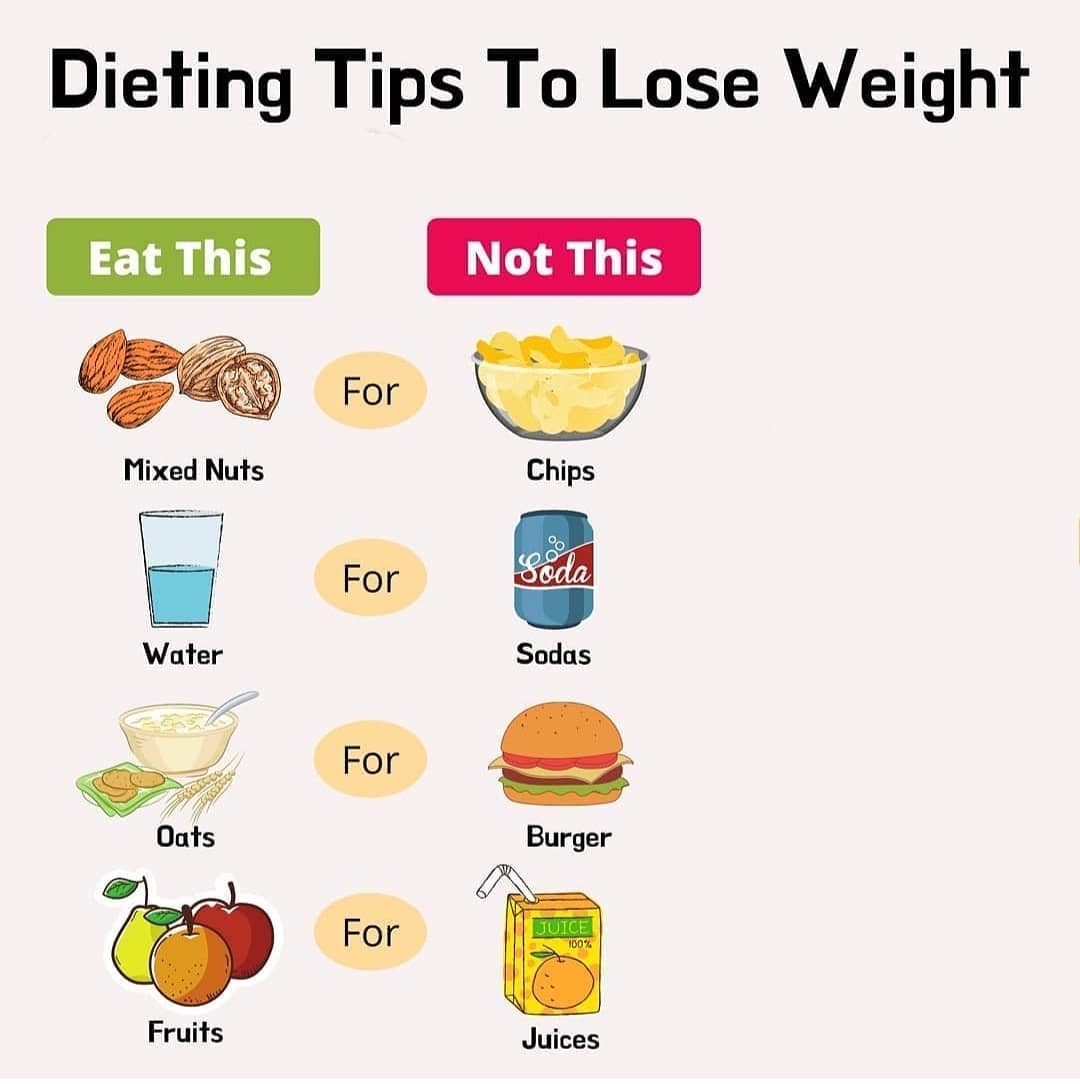
To foster long-term success, individuals should prioritize lifestyle changes that promote overall health rather than merely focusing on weight loss. Incorporating regular physical activity, maintaining a balanced diet rich in fruits, vegetables, lean proteins, and healthy fats, and developing a positive relationship with food are essential components of a sustainable plan. Effective weight management is more about cultivating habits that can be maintained over time, rather than short-term diets. Embrace strategies that focus on nourishment rather than restriction, and consider consulting with professionals for personalized plans to achieve your health goals sustainably. For more insights, check out this resource on healthy eating.