10 Proven Study Techniques to Boost Your Exam Success
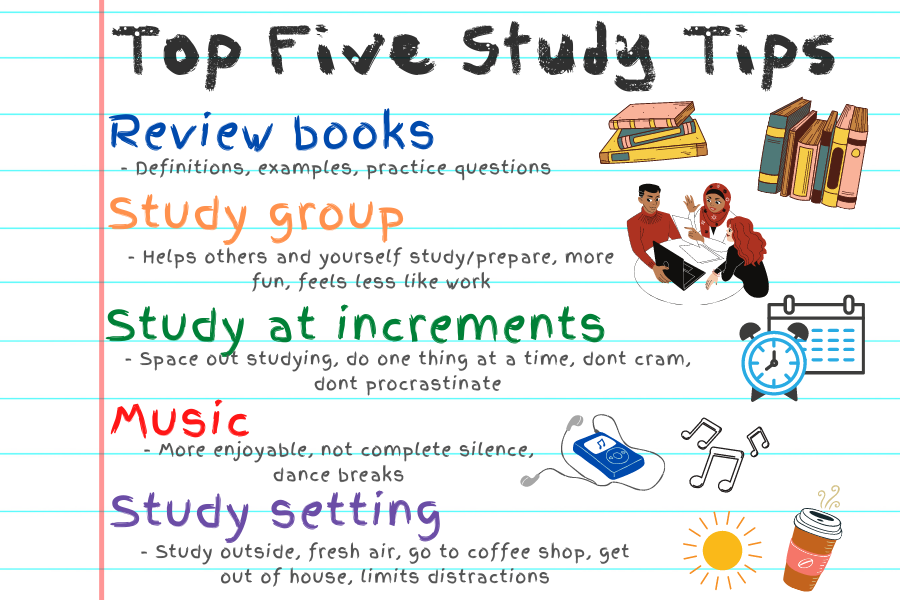
Studying effectively is crucial for academic success, especially during exam seasons. Here are 10 proven study techniques to help you not only retain information but also excel in your exams:
- Active Recall: Instead of passively reading, test yourself on the material. This technique enhances memory retention.
- Spaced Repetition: Spread out your study sessions over time to improve recall and understanding.
- Pomodoro Technique: Break your study time into 25-minute intervals with 5-minute breaks in between to maintain focus.
- Summarization: Write concise summaries of what you’ve learned to reinforce your understanding.
- Visual Aids: Use diagrams, charts, or flashcards to visualize complex concepts and improve memory.
- Practice Testing: Take practice quizzes to familiarize yourself with the exam format and types of questions.
- Group Study: Collaborate with peers to share knowledge and gain different perspectives on challenging topics.
- Teach Others: Explaining concepts to someone else can solidify your own understanding.
- Stay Organized: Keep a study planner to schedule your study sessions and track your progress.
- Mindfulness and Relaxation: Practice mindfulness techniques to reduce stress and improve concentration.
The Science of Effective Revision: How to Remember More
The process of revision is not just about re-reading notes; it involves understanding how to remember more. Research suggests that effective revision techniques harness the principles of cognitive psychology. Techniques such as spaced repetition, where material is reviewed at increasing intervals, can significantly improve retention. Additionally, incorporating active learning methods like summarizing information in your own words or teaching it to someone else enhances comprehension and recall. Consider creating a revision schedule that allows for breaks and varied study methods to engage different cognitive processes.
Moreover, the science of effective revision includes the use of mnemonic devices and visualization techniques. For example, acronyms can simplify complex information, while mind maps help in organizing thoughts and connecting concepts. Furthermore, setting specific goals for each study session can direct focus and motivation. By utilizing these strategies, learners can improve their ability to retain information, leading to greater academic success. Ultimately, revising is an art that, when approached scientifically, can unlock a world of learning potential.
Common Study Mistakes to Avoid for Top Exam Performance
To achieve top exam performance, it's crucial to steer clear of common study mistakes that can hinder your progress. One prevalent error is procrastination, which leads to cramming right before the exam. Instead of waiting until the last minute, develop a consistent study schedule that allows for regular review sessions. This will enhance retention and understanding of the material. Additionally, avoid the trap of multitasking; studies show that focusing on one task at a time increases efficiency and comprehension.
Another mistake is neglecting to utilize practice exams. Many students underestimate the value of practicing with past papers or mock tests. This not only familiarizes you with the exam format but also helps identify areas that require further attention. Moreover, it’s essential to take care of your well-being during your study period. Ensure you're getting adequate rest, nutrition, and exercise, as health plays a significant role in cognitive performance. By avoiding these pitfalls, you can significantly boost your chances of success.