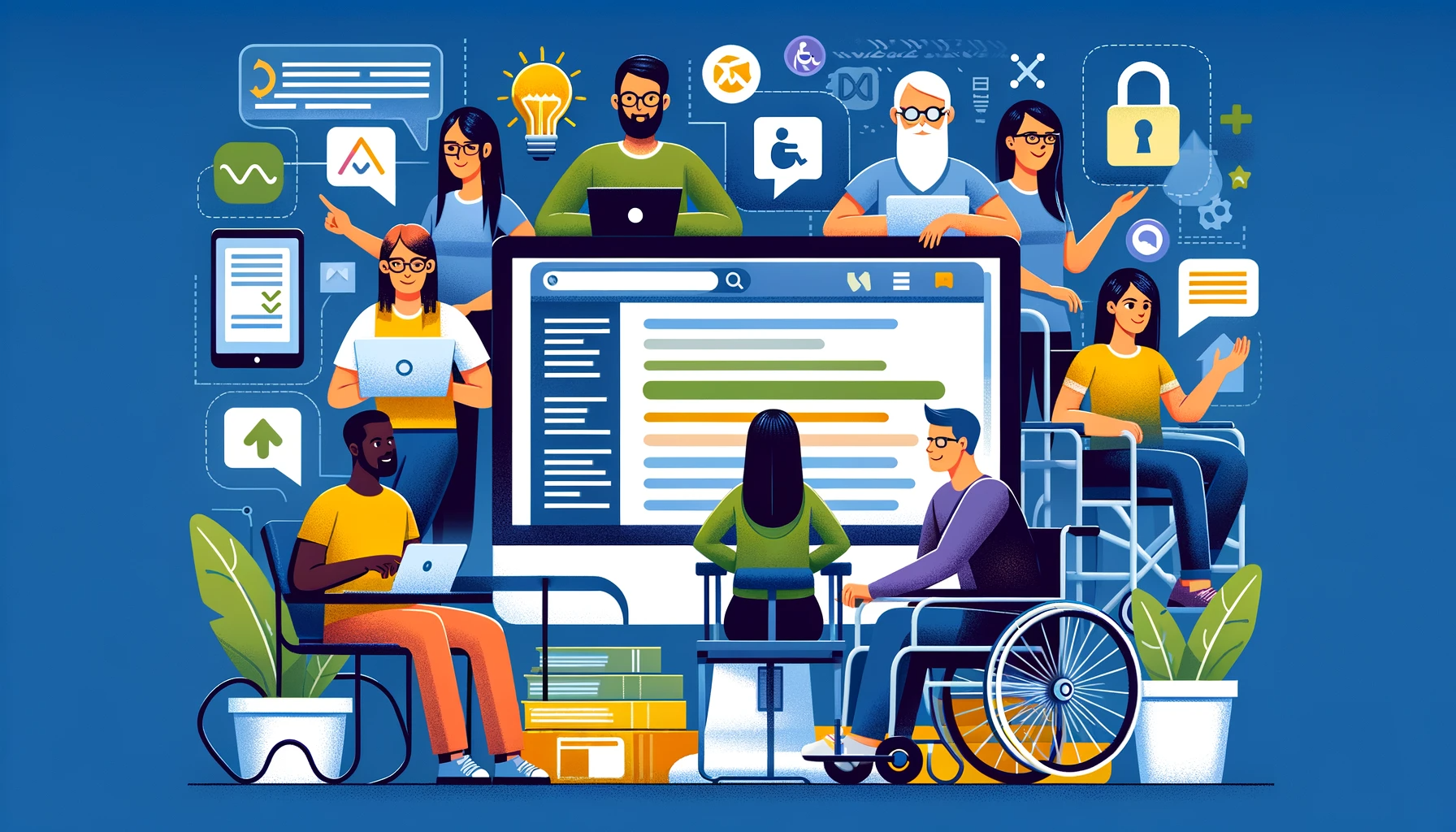
Understanding Accessibility: Why It Matters for Everyone
Understanding accessibility goes beyond simply meeting legal requirements; it encompasses creating an inclusive environment that benefits everyone. Whether it’s a website, a public space, or a digital application, accessibility ensures that individuals with disabilities can engage fully and equally. In fact, according to the World Health Organization, about 15% of the global population lives with some form of disability. By implementing accessible designs, we foster a society that values diversity and inclusion, enabling all individuals to participate in education, employment, and social activities.
Moreover, accessibility is not just about compliance or meeting specific guidelines. It enhances the overall user experience for everyone. For instance, features like text-to-speech, easy navigation, and clear layout benefits not only individuals with disabilities but also older adults and people with temporary impairments. By embracing accessible practices, businesses and organizations cultivate a broader audience and improve their reputation. In a world that's increasingly driven by digital interactions, prioritizing accessibility is a win-win, allowing everyone to thrive.
10 Simple Ways to Make Your Business More Accessible
Making your business more accessible is essential for reaching a wider audience and fostering inclusivity. Here are 10 simple ways to improve accessibility:
- Evaluate your website: Ensure your website is user-friendly and complies with accessibility standards, such as WCAG, to cater to individuals with disabilities.
- Provide alternative text: Use alternative text for images so that visually impaired users can understand the content through screen readers.
- Use clear language: Avoid jargon and complex terms; instead, opt for straightforward language that everyone can understand.
Additionally, physical accessibility is crucial for your business premises. Here are more ways to enhance accessibility:
- Adjust your physical space: Make sure your facilities are wheelchair-accessible, with ramps, wide doorways, and accessible restrooms.
- Offer multiple ways to purchase: Provide alternatives like online ordering, phone orders, and in-person shopping to accommodate everyone.
- Train your staff: Ensure all employees are educated on accessibility practices so they can assist customers effectively.
- Gather feedback: Regularly ask for feedback from customers regarding accessibility and make improvements based on their suggestions.
Is Your Website Accessible? Key Questions to Ask
Ensuring your website is accessible is crucial for reaching all users, including those with disabilities. To get started, consider asking yourself the following key questions: Is your website navigable using only a keyboard? This is important for users who may not be able to use a mouse. Additionally, are your images described with alt text? This helps visually impaired users understand the content of your site. You might also want to evaluate whether your website's color contrast is sufficient, as many users with visual impairments rely on clear contrasts to read text.
Another important aspect of web accessibility is screen reader compatibility. Have you tested your website with common screen readers? This ensures that assistive technologies can interpret your content correctly. Also, do you provide transcripts for audio and video content? This helps both users with hearing impairments and those who prefer reading to listening. By addressing these questions, you can significantly enhance the accessibility of your website and ensure it serves a broader audience.