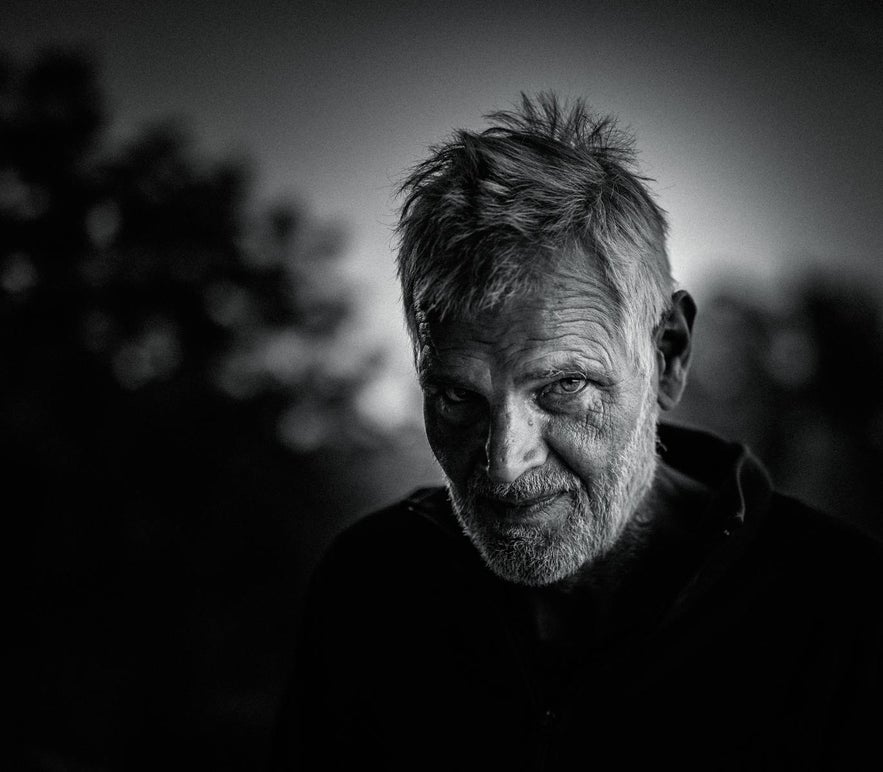
Mastering Lighting: How to Illuminate Your Portraits for Maximum Impact
When it comes to mastering lighting in portrait photography, understanding the direction and quality of light is crucial. Natural light can be your best friend, but utilizing artificial sources can also yield stunning results. Experimenting with different light sources and modifiers, such as softboxes or reflectors, allows you to manipulate shadows and highlights effectively. Consider these tips to enhance your portraits:
- Observe the time of day for natural light; golden hour is often ideal.
- Use reflectors to bounce light onto your subject.
- Try backlighting for a dramatic effect.
Another key aspect of illuminating your portraits is understanding the mood you wish to convey. Soft, diffused lighting generally creates a gentle and flattering appearance, while harder light can evoke intensity and drama. Pay attention to your subject's features and how they interact with the light. Keeping the following in mind will elevate your portrait lighting game:
- Consider using a light meter to measure the exposure accurately.
- Experiment with high-contrast lighting for more striking images.
- Don't be afraid to play with colored gels for creative effects.
The Art of Composition: 5 Techniques to Make Your Portraits Stand Out
Creating stunning portraits involves more than just camera settings; it’s about mastering the art of composition. By thoughtfully arranging elements within your frame, you can evoke emotions and tell a story with each photograph. Here are five essential techniques to help your portraits stand out and truly captivate your audience:
- Rule of Thirds: Position your subject off-center using the rule of thirds for a more balanced and engaging composition.
- Leading Lines: Utilize natural lines in your environment to direct the viewer’s eye toward your subject.
- Framing: Use elements in your surroundings to frame your subject, adding depth and context.
- Negative Space: Embrace negative space to highlight your subject, giving your portraits a clean and refined look.
- Experiment with Angles: Change your perspective by shooting from different angles to find the most striking composition.
What Makes a Great Portrait? Tips for Capturing Emotion and Personality
Capturing a great portrait involves more than just pointing and shooting; it requires a deep understanding of emotion and personality. One way to achieve this is by building a genuine rapport with your subject. Take the time to engage them in conversation, allowing their true self to emerge. This connection can manifest in subtle expressions that convey their inner feelings. Additionally, consider using natural light for a soft, flattering effect that enhances the mood of the portrait. A well-placed shadow can also add depth, making the portrait more dynamic and intriguing.
Another critical aspect of creating a captivating portrait is composition. Pay attention to the framing and make use of negative space to draw attention to your subject. Experiment with different angles and perspectives to highlight their unique features and personality traits. Close-ups often reveal the intricate details that tell a story, while wider shots can convey context. Lastly, don't overlook the importance of post-processing; subtle adjustments can elevate an average shot into a stunning portrayal of your subject's essence.