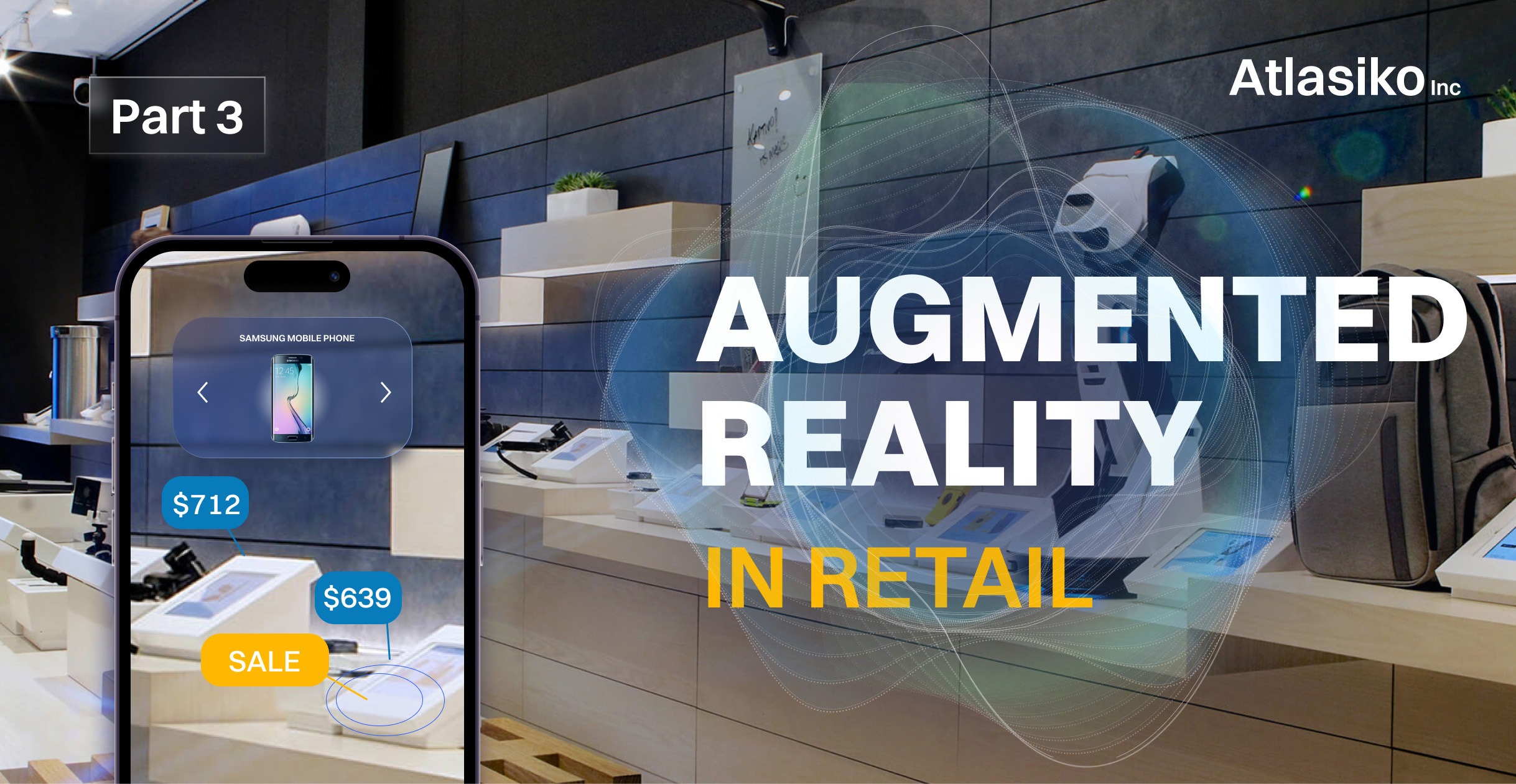
Exploring the Future: How Augmented Reality is Transforming Industries
Augmented Reality (AR) is rapidly reshaping various sectors by enhancing the way we interact with our environment. From healthcare to education, industries are integrating AR technologies to improve efficiency and user experience. In the healthcare sector, for instance, AR applications allow surgeons to visualize critical information during procedures, thereby increasing precision and reducing risks. Meanwhile, in education, AR is revolutionizing learning by providing immersive experiences that engage students and enhance their understanding of complex subjects. The adaptability of AR makes it an invaluable tool across diverse fields, paving the way for innovative solutions that were previously unimaginable.
As we explore the future, the implications of AR technology become increasingly profound. Retail is already experiencing a transformation, with brands creating virtual fitting rooms that allow customers to try on clothes and accessories without leaving their homes. Furthermore, AR is also influencing industries like real estate, where potential buyers can take virtual tours of properties, significantly improving the decision-making process. According to industry experts, the global AR market is projected to grow exponentially in the coming years, indicating that this transformative technology is not merely a trend, but a fundamental shift in how industries operate.
The Power of Perception: 5 Ways Augmented Reality Enhances Learning and Engagement
In today's fast-paced world, augmented reality (AR) is transforming the way we perceive learning environments, making education more interactive and immersive. By overlaying digital information onto the real world, AR encourages learners to engage with content in a meaningful way. This new approach not only enhances comprehension but also fosters a deeper connection with the subject matter. According to research, when augmented reality is integrated into educational settings, students often report increased motivation and enthusiasm, leading to improved retention of information.
Here are 5 ways that augmented reality enhances learning and engagement:
- Interactive Learning: Students can interact with 3D models, bringing abstract concepts to life.
- Personalized Education: AR allows for tailored learning experiences that accommodate individual learning styles.
- Enhanced Collaboration: Learners can collaborate on projects via shared AR experiences, promoting teamwork.
- Real-Time Feedback: AR applications provide instant feedback, helping students to understand their progress immediately.
- Gamification: Integrating game elements within learning tasks through AR makes education fun and engaging.
What is Augmented Reality and How is it Revolutionizing Everyday Experiences?
Augmented Reality (AR) is an innovative technology that superimposes digital information—such as images, sounds, and text—onto the real world, enhancing our perception of our surroundings. Unlike Virtual Reality, which creates an entirely virtual environment, AR enriches our real-world experiences by layering data on top of it. This technology can be found in applications ranging from mobile gaming, such as Pokemon Go, to practical uses in fields like education, healthcare, and retail, making everyday experiences more interactive and engaging.
The impact of AR on our daily lives is nothing short of revolutionary. For instance, in the retail sector, customers can use AR apps to visualize how furniture would look in their homes before making a purchase. Similarly, in education, AR can bring static textbooks to life, providing students with immersive learning experiences that enhance understanding and retention. As AR continues to evolve, its potential to transform mundane tasks into extraordinary experiences is becoming increasingly evident, paving the way for a more interactive and convenient future.