Understanding the Basics of Positive Reinforcement Training for Dogs
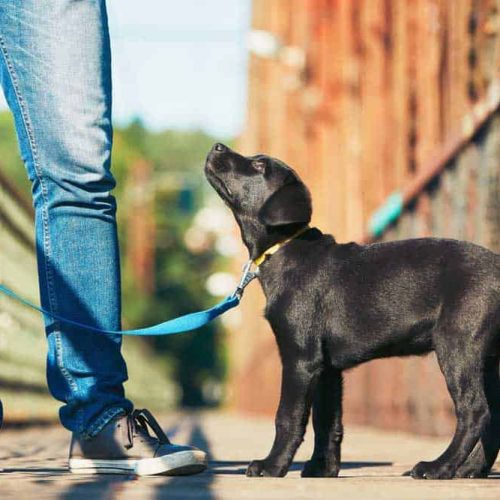
Positive reinforcement training is a widely recognized and effective method for teaching dogs desirable behaviors. This approach focuses on rewarding your pet for good behavior rather than punishing them for undesirable actions. By using rewards such as treats, praise, or playtime, you can motivate your dog to repeat these positive actions. The core principle is based on the understanding that behaviors followed by positive outcomes are more likely to be repeated in the future.
To successfully implement positive reinforcement training, it's essential to follow a few key guidelines:
- Timing is crucial: Deliver the reward immediately after the desired behavior.
- Consistency is key: Use the same commands and rewards to avoid confusion.
- Start simple: Begin with basic commands before progressing to more complex tasks.
Top 10 Tips for Encouraging Good Behavior in Your Pup
Encouraging good behavior in your pup requires consistency and patience. Here are top 10 tips that can help you mold your furry friend into a well-mannered companion:
- Start Early: Socializing and training your puppy from a young age can lay the groundwork for good behavior.
- Positive Reinforcement: Rewarding good behavior with treats, praise, or playtime will encourage your pup to repeat those actions.
- Set Clear Boundaries: Establishing house rules helps your dog understand what is expected of them.
- Consistent Commands: Use the same commands consistently to avoid confusing your pup.
- Redirect Unwanted Behavior: If your pup is chewing or getting into things they shouldn’t, redirect their attention to a toy or activity.
In addition to these initial tips, here are five more strategies to consider:
- Regular Exercise: A well-exercised dog is often a well-behaved dog, so ensure they get enough physical activity.
- Socialization: Expose your pup to different people, environments, and other animals to help them adapt and behave properly in various situations.
- Be Patient: Remember that bad habits take time to break; stay patient and persist with your training.
- Professional Help: If you're struggling, don’t hesitate to seek out a professional trainer.
- Keep Training Fun: Incorporate games and positive challenges to make the learning process enjoyable for both you and your pup.
How Can Positive Reinforcement Change Your Dog's Behavior?
Positive reinforcement is a powerful training method that emphasizes rewarding desired behaviors rather than punishing unwanted ones. This approach not only nurtures a dog’s natural instincts but also fosters a stronger bond between the pet and owner. When a dog is rewarded for good behavior—such as sitting on command or coming when called—its brain releases feel-good hormones like dopamine. This biochemical reaction motivates the dog to repeat the behavior, reinforcing the idea that good actions lead to positive outcomes.
Moreover, positive reinforcement encourages a more confident and well-adjusted pet. By consistently rewarding good behavior, dogs are less likely to exhibit fear-driven actions and anxiety, which can manifest as aggression or destructive behavior. Implementing techniques such as treats, praise, or playtime can be highly effective. For example, when a dog walks calmly on a leash, giving a treat not only cements that behavior but also enhances the dog's enjoyment of the training process, making it a win-win for both the pet and its owner.